Fiscal deficit on monitor as tax base broadens, spending rationalised| Enterprise Information

The central authorities is nicely on monitor to realize its fiscal deficit goal of 4.4% within the present fiscal 12 months, Financial Survey 2025-26 stated on Thursday, allaying any issues {that a} lower-than-expected nominal GDP progress might upset the fiscal glide path.
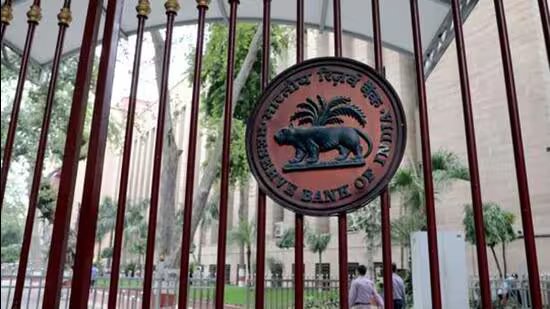
The Reserve Financial institution of India. (Bloomberg)
Past this speedy fiscal concern, the survey additionally talks intimately in regards to the desired medium time period fiscal priorities and lists necessary achievements within the post-pandemic interval. This bigger commentary comes within the backdrop of a world surroundings that’s anticipated to be wherever between turbulent to catastrophic. The federal government has already moved to a medium-term objective of reaching a debt-to-GDP ratio of fifty plus minus one p.c by 2030-31 within the final price range which is a “deliberate effort to strengthen the general debt sustainability whereas preserving coverage flexibility in an unsure world surroundings”.
The survey’s commentary on fiscal coverage requires a “credible consolidation” which preserves the beneficial properties made because the pandemic’s disruption with out placing an pointless squeeze on progress. That is to be achieved by prioritizing high quality over amount, reaching effectivity and synergy in authorities spending and broadening the direct tax base whilst some oblique taxes lose their significance due to bigger reform aims. The survey additionally makes some radical solutions to realize these aims whereas acknowledging that a few of these issues are already work in progress.
The survey lauded the federal government for bringing down each its deficit and debt ranges because the pandemic’s disruption when the fiscal deficit reached 9.2% of GDP. The fiscal consolidation has occurred whereas reaching a “sustained enchancment within the high quality of expenditure” as seen within the rising share of capital expenditure and the income deficit – it’s the distinction between income receipts and income expenditure – reaching its lowest degree since 2008-09. Efficient capex, which incorporates each express capital expenditure together with grants-in-aid for the creation of capital property, elevated from a median of two.9% of GDP within the pre-pandemic interval to 4% within the provisional estimates of 2024-25. Contemporary borrowings are more and more getting used to service previous curiosity obligations quite than to finance present spending, the survey stated. It’s all these efforts which have earned India three sovereign credit standing upgrades by Morningstar DBRS, S&P International Rankings and Ranking and Funding Data Inc., the survey highlighted.
The profitable fiscal story is a product of a broadening of the direct tax base, the place revenue taxes have carried out higher than company taxes, due to an increase within the ranks of the tax paying inhabitants in addition to coverage nudges to enhance tax collections and buoyant non-tax revenues due to rising earnings and dividends, together with, however not simply from RBI. The success on the direct tax entrance has allowed the Union authorities to pursue fiscal prudence at a time when taxes from heads similar to customs and excise duties have been shedding their significance within the financial system as a part of reform efforts, the survey stated.
To make certain, not the entire fiscal consolidation is pushed by progress in taxes and a number of it truly a results of the central authorities rationalizing its income expenditure, which has come down from 13.6% of GDP in 2021-22 to 10.9% by 2024-25 and is now decrease than the pre-pandemic common of 11.1%, the survey stated. Expenditure rationalization efforts have included a discount in subsidy payments from the instances of the pandemic, “by curbing fiscal leakages” and “bettering focusing on” throughout schemes whilst variety of beneficiaries has elevated.
Whereas the survey has mentioned intimately in regards to the significance of state finance within the total fiscal story, it has additionally made radical/out of the field solutions to spice up fiscal consolidation by way of the non-tax income route. Considered one of these concepts talks about institutionalizing a professionally managed treasury operations to “improve the effectivity of its collections…thereby incomes extra return”. Equally, it suggests amending the Firms Act to alter the definition of a Authorities Firm which might enable the federal government to divest its stakes as much as 26% in comparison with the present norm of 51% bringing extra bang for buck from strategic disinvestment workouts. One other attention-grabbing disinvestment thought within the survey is the governing focusing on full privatisation of its firms and earmarking a portion of those receipts for strategic investments in rising applied sciences by way of professionally managed platforms similar to Nationwide Funding and Infrastructure Fund.
If the price range certainly finally ends up implementing a few of these solutions, it might nicely be a game-changer on the non-tax a part of fiscal coverage in a very long time.
Aastha Gudwani, chief India economist, Barclays, stated: “The survey underscores that the trail forward is to remain the course on fiscal consolidation – progressively decreasing the deficit and debt burden – to strengthen investor confidence and macro stability, urging each the centre and states to proceed bettering tax assortment (by way of know-how and increasing the tax internet) and to prioritise productive spending. On the identical time, the advice is to extend public funding to spur progress, with an energetic function to be performed by state capex.